
The Resilience Edge
The Resilience Edge
Reduce Cognitive Overwhelm, Recover Faster, Strengthen Resilience
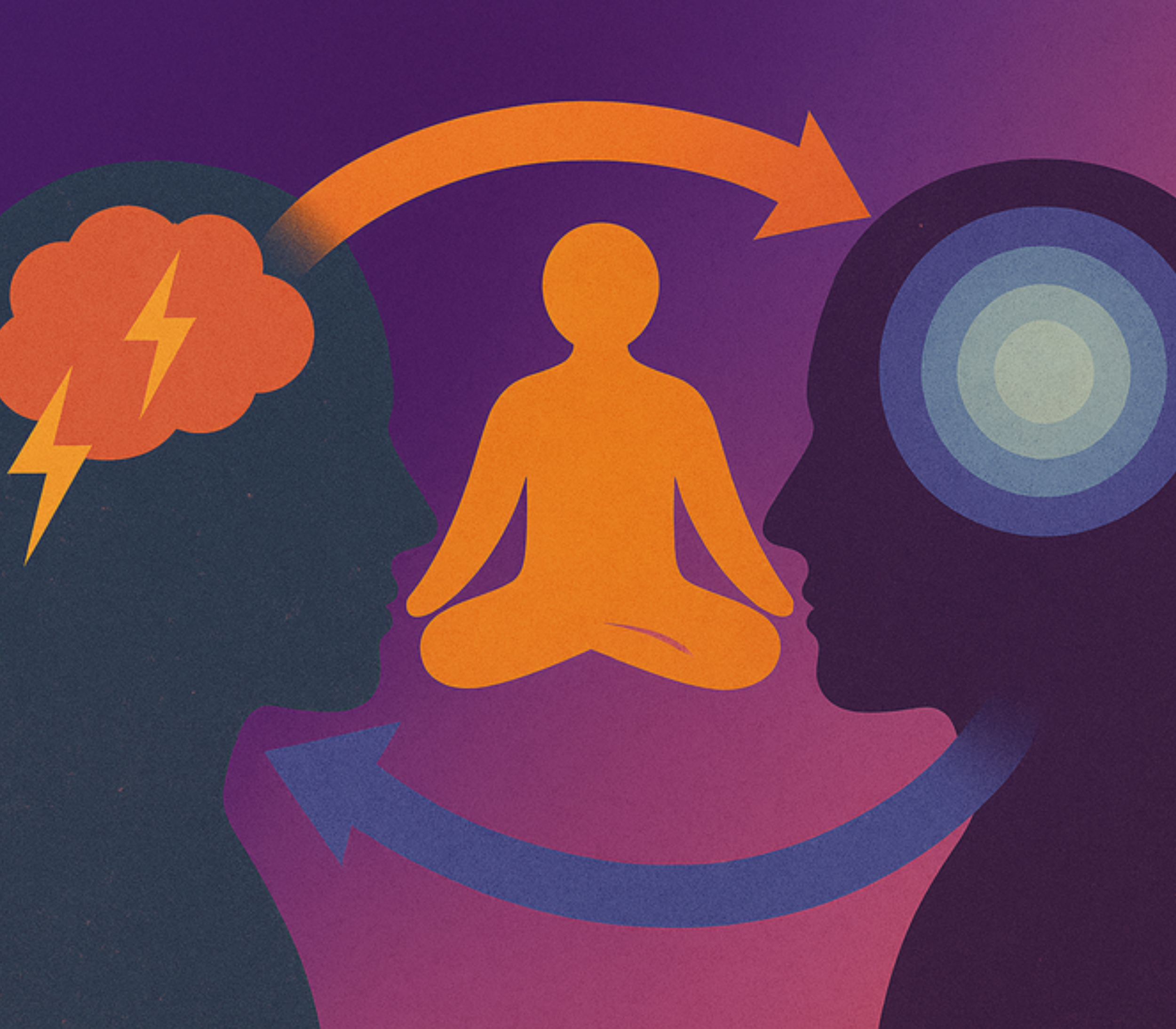
Modern work creates a level of cognitive and emotional strain that the human system was not built to sustain indefinitely. Constant change, competing priorities, and information overload place the brain under pressure, making clarity, focus, and steadiness harder to access. The Resilience Edge is designed to counter this reality. It helps participants reduce overwhelm, recover faster, and strengthen the inner capacity needed to perform sustainably.
This programme blends science-based insights with practical, immediately usable techniques. The theory is concise and always in service of the practice. Participants actively listen, reflect, discuss, and engage in guided exercises to understand their own patterns. They explore how stress affects focus, decision making, energy, and emotional regulation, and they learn how to shift these responses in real time.
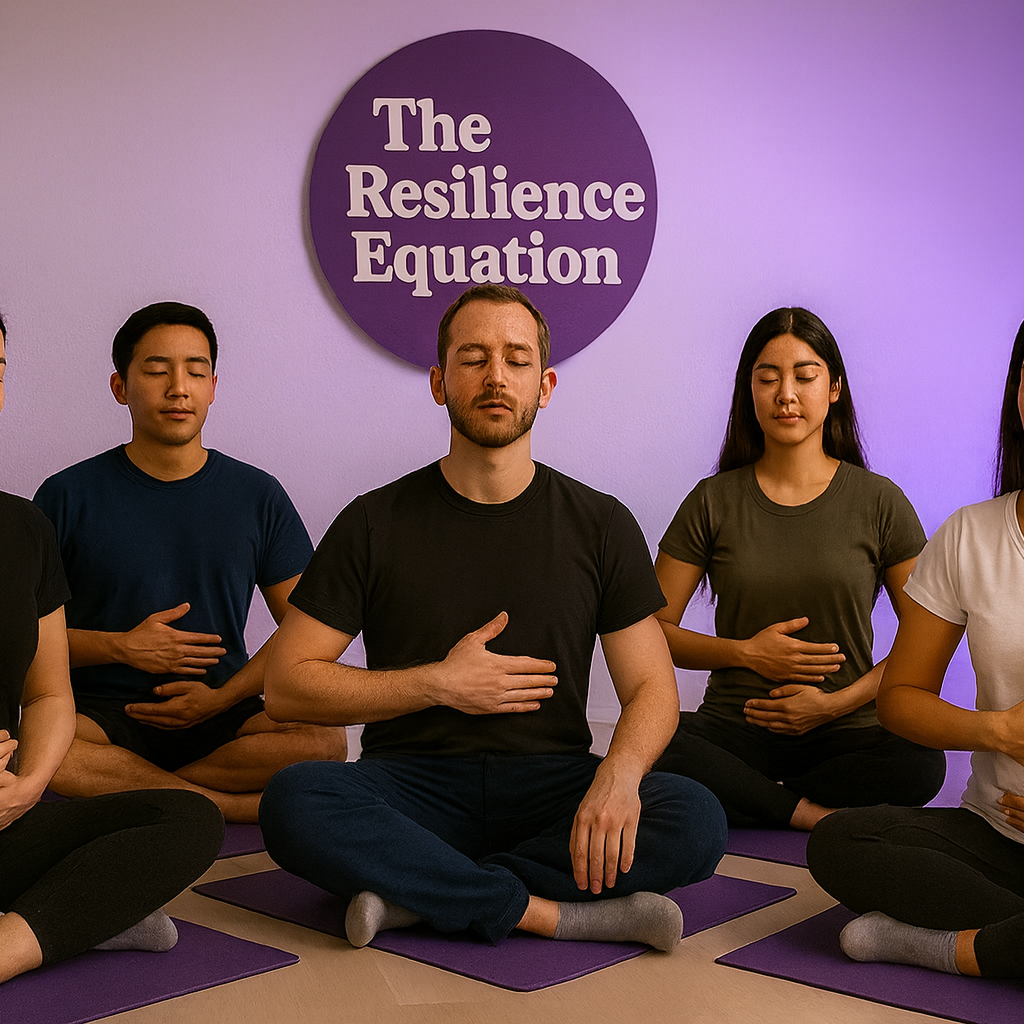
Throughout the training, participants practise tools that stabilise the mind, restore energy, and strengthen emotional control. They identify their personal stress triggers, map their resilience patterns, and explore where clarity breaks down or emotion takes over. At the centre of the experience is The Resilience Equation, a structured model that integrates five pillars: Mental Clarity, Emotional Agility, Energy and Recovery, Self-Motivation, and Social Connectivity. Each participant uses this framework to build a personalised resilience plan that fits the reality of their work and life.
The Resilience Edge is ideal for individuals and teams working in high-demand, fast-paced environments who want a grounded, practical way to stay centred and effective without sacrificing wellbeing.
Learning Outcomes
By the end of The Resilience Edge, participants will be able to:
Reduce cognitive overload and improve clarity under pressure
Regulate stress responses and shift into calmer, more intentional states
Restore energy more effectively during demanding periods
Strengthen self-awareness and recognise personal stress patterns
Apply practical tools across the five pillars of The Resilience Equation
Create a personalised resilience plan that supports long-term wellbeing and sustainable performance
Why Our Courses Are Different
Our approach is experiential, grounded, and centred on practical integration. Participants learn through guided practices, meaningful discussions, and structured reflection—not through long lectures or heavy slide decks. Theory is kept short and purposeful, introduced only to strengthen application.
We train both the mind and the nervous system. The methods draw from neuroscience, psychology, behavioural science, and breath-based regulation techniques delivered in a clear and accessible way. Participants explore how their physiology responds to pressure and practise tools that help them return to a more grounded, deliberate state.
Who Should Attend
This course is designed for:
Professionals navigating high workloads or continuous change
Teams operating in fast-paced or high-pressure environments
Individuals seeking practical, effective strategies to reduce overwhelm
Organisations wanting to support wellbeing and sustainable performance
Who Are the Trainers
The Resilience Edge is delivered by Federica Ceresa and Chad Fahlberg, supported by a small network of experts in elite human performance training, including methods used in Navy SEAL development. Federica brings two decades of experience in organizational performance and leadership culture, while Chad integrates neuroscience, mindfulness, and breathwork from his background in high-pressure environments. Together, the team creates a grounded, experiential learning environment where participants learn through practice, reflection, and meaningful dialogue, not long lectures.
Delivery Approach
The Resilience Edge is delivered through:
Practical resilience tools and guided exercises
Short, focused theory segments
Facilitated group discussions and structured reflections
Partner and small group work
Stress trigger mapping and resilience pattern assessments
Real-time application of regulation techniques
Clear, evidence-based frameworks used immediately, not just explained
Format and Duration
One day (face to face)
Or two virtual sessions (4 hours each)
Geographical Availability
United States
Canada
Europe
Middle East
Asia



Request a quote to run a session for your team
From the Blog


